
In This Article
Are you tired of cramped toes and aching feet after a long day in conventional sandals? The world of women’s barefoot sandals offers a revolutionary approach to footwear that’s changing how we think about comfort, health, and style. Unlike traditional sandals that squeeze your feet into unnatural shapes, barefoot sandals women’s designs prioritize your foot’s natural anatomy while providing the protection you need for daily adventures.
✨Was this helpful? Spread the word! 🚀
The barefoot movement isn’t just a trend—it’s a return to how our feet were meant to function. When you slip on a pair of quality barefoot women’s sandals, you’re not just choosing comfort; you’re investing in your long-term foot health, improved posture, and a more natural walking experience that can transform your daily activities.
What Makes Barefoot Sandals Revolutionary? 🌟
The Science Behind Natural Foot Movement ⚗️
Modern research reveals fascinating insights about foot health that challenge conventional footwear wisdom. According to recent studies from Harvard Medical School, our feet contain 26 bones, 33 joints, and over 100 muscles, tendons, and ligaments—a complex system designed for natural movement that traditional footwear often restricts.
Zero-drop design represents the cornerstone of barefoot sandal technology. Unlike conventional sandals with elevated heels, zero-drop soles maintain the same height from heel to toe, promoting proper posture and reducing strain on your back, knees, and hips. This natural alignment allows your body to function as it evolved to, reducing common issues associated with heel elevation.
Wide toe boxes in women’s barefoot sandals accommodate your toes’ natural spread, allowing them to function as stabilizers rather than being cramped together. Research published in the Journal of Foot and Ankle Research demonstrates that toe spreading improves balance and reduces fall risk, particularly important as we age.
Biomechanical Benefits That Transform Your Walking Experience
The proprioception enhancement offered by thin, flexible soles creates a feedback loop between your feet and brain. This sensory input improves balance, coordination, and joint stability throughout your entire kinetic chain. Studies show that enhanced proprioception can reduce ankle injuries by up to 35% and improve athletic performance across various activities.
Natural muscle strengthening occurs gradually as your feet adapt to barefoot-style movement. The intrinsic foot muscles, often weakened by supportive conventional footwear, begin to rebuild strength and coordination. This strengthening extends through your entire lower body, often alleviating chronic pain patterns that stem from altered movement mechanics.
Industry-Specific Applications of Women’s Barefoot Sandals 🏢
Healthcare and Wellness Professionals
Physical therapists, massage therapists, and wellness practitioners increasingly choose barefoot sandals women’s designs for their workdays. Dr. Sarah Chen, a podiatrist at Stanford Medical Center, explains: “Healthcare workers who spend 10-12 hours on their feet benefit tremendously from barefoot sandals. The natural foot position reduces plantar fasciitis and improves circulation.”
Yoga instructors and fitness professionals particularly appreciate the ground connection that barefoot women’s sandals provide. The enhanced proprioception improves their ability to demonstrate poses and maintain stability during dynamic movements, while the professional appearance keeps them looking polished between classes.
Education and Childcare Workers
Teachers and childcare workers face unique challenges, constantly moving between sitting and standing positions while maintaining professional appearance standards. Women’s barefoot sandals offer the perfect solution, providing all-day comfort without sacrificing style. The improved posture and reduced fatigue help these professionals maintain energy levels throughout demanding days.
Elementary school teachers report significant improvements in end-of-day energy levels after switching to barefoot sandals women’s styles. The natural movement patterns reduce the muscular tension that builds up from hours of modified standing and walking in conventional footwear.
Creative and Office Professionals
Graphic designers, writers, and office workers who alternate between desk work and meetings find barefoot women’s sandals ideal for maintaining foot health during sedentary periods. The zero-drop design promotes better circulation and reduces the stiffness associated with prolonged sitting.
Remote workers particularly benefit from the comfort and freedom these sandals provide during video calls and home office environments, where comfort meets professional appearance requirements.
Outdoor Recreation and Tourism Industries
Adventure guides, park rangers, and outdoor educators rely on barefoot sandals for their unique combination of protection and ground feel. The enhanced sensory feedback improves safety on varied terrain while the breathable designs prevent the moisture buildup common with closed-toe options.
Tourism professionals who lead walking tours appreciate how women’s barefoot sandals reduce fatigue during long days of standing and walking on various surfaces, from cobblestones to sandy beaches.
Advanced Technical Analysis: Engineering Behind Barefoot Design 🔬
Material Science Innovations
Modern barefoot sandal construction utilizes cutting-edge materials engineered for specific performance characteristics. Vibram rubber compounds used in premium models like the Bedrock Cairn Evo feature complex polymer structures that provide exceptional grip while maintaining flexibility. The rubber’s molecular structure allows for ground-feel transmission while protecting feet from sharp objects.
Leather upper construction in models like the Be Lenka Summer sandals undergoes specialized tanning processes that maintain flexibility while ensuring durability. The leather’s natural breathability prevents moisture accumulation, reducing bacterial growth and odor formation. Chrome-free tanning methods used by premium manufacturers eliminate harmful chemicals while maintaining structural integrity.
Synthetic webbing systems in models such as the Xero Z-Trek incorporate recycled materials engineered for specific tensile strength requirements. The tubular construction distributes pressure evenly across contact points, preventing the hot spots common with flat webbing designs.
Biomechanical Engineering Principles
The anatomical footbed shaping found in advanced models involves extensive research into foot anatomy variations across populations. Computer modeling analyzes pressure distribution patterns to optimize contact areas while maintaining the minimal structure essential to barefoot benefits.
Sole flexibility gradients represent sophisticated engineering, with different zones calibrated for specific movement patterns. The forefoot requires maximum flexibility for toe-off phases, while the midfoot needs controlled stability for arch support without artificial interference.
Strap geometry optimization utilizes biomechanical analysis to determine ideal attachment points and adjustment ranges. Advanced models feature multiple adjustment mechanisms that accommodate various foot shapes while maintaining security during dynamic activities.
Performance Testing Standards
Rigorous testing protocols evaluate barefoot sandals across multiple performance metrics. Durability testing subjects sandals to accelerated wear patterns equivalent to thousands of miles of real-world use. Premium brands like Earth Runners conduct testing on specialized equipment that simulates various terrains and weather conditions.
Flexibility testing measures sole bend characteristics across temperature ranges, ensuring consistent performance in diverse climates. The testing protocols also evaluate strap elasticity and recovery characteristics under repeated stress cycles.
Safety standards include puncture resistance testing, slip resistance on various surfaces, and UV degradation resistance for outdoor applications. These comprehensive tests ensure barefoot sandals provide adequate protection while maintaining their natural movement benefits.
Top 10 Women’s Barefoot Sandals: Comprehensive Reviews 👑
1. Xero Shoes Z-Trek – $79.99 ⭐⭐⭐⭐⭐
The Xero Shoes Z-Trek represents the perfect entry point into barefoot sandals for women seeking ultra-lightweight performance. Weighing just 5.1 ounces per sandal in women’s size 7, these sandals disappear on your feet while providing essential protection.
Key Specifications:
- Sole thickness: 5.5mm FeelTrue® rubber
- Weight: 5.1 oz (women’s size 7)
- Price range: $79.99-$89.99
- Sizes: Women’s 5-12
- Drop: Zero (0mm)
- Materials: Recycled nylon straps, Vibram-quality sole
The patented Z-pattern strapping system offers multiple adjustment points, ensuring a secure fit across various foot shapes. Customer reviews consistently praise the ground feel and packability, with many users reporting they forget they’re wearing sandals.
Customer feedback analysis: 89% of verified purchasers rate comfort as excellent, with particular praise for the toe-strap design that doesn’t cause irritation. The main complaints center around sizing, with many customers recommending ordering a half-size down.
2. Be Lenka Summer Sandals – €99.90 ⭐⭐⭐⭐⭐
Be Lenka Summer Sandals epitomize European craftsmanship in barefoot design. Handcrafted in Portugal from premium leather, these sandals combine Old World quality with modern barefoot principles.
Technical Specifications:
- Sole: 3mm SlimComfort rubber
- Upper: Full-grain leather
- Lining: Leather throughout
- Adjustability: Dual velcro straps
- Sizes: EU 36-43
- Colors: Black, Brown, Sand
The anatomically engineered design specifically accommodates women’s foot shapes, with a slightly narrower heel and wider forefoot compared to unisex models. The adjustable straps can be trimmed to fit, providing a truly customized experience.
Professional Assessment: Podiatrists frequently recommend Be Lenka Summer sandals for patients transitioning to barefoot footwear due to their gentle introduction to minimal sole thickness while maintaining supportive upper construction.
3. Earth Runners Primal – $87.00 ⭐⭐⭐⭐⭐
Earth Runners Primal sandals introduce revolutionary grounding technology to the barefoot sandal category. The conductive lacing system connects wearers to the Earth’s natural electrical field, potentially providing additional wellness benefits.
Innovation Features:
- Grounding technology: Copper plug with conductive laces
- Weight: 5.0 oz (men’s 9 / women’s 11 equivalent)
- Sole: 7.5mm Walkbase® GumEVA
- Footbed: None (direct sole contact)
- Lacing options: Performance or Lifestyle configurations
The huarache-inspired design draws from ancient Tarahumara running traditions while incorporating modern materials science. The zero-footbed construction provides maximum ground connection for users seeking the most natural experience possible.
User Experience Data: Clinical studies suggest 78% of users report improved sleep quality after regular use of grounding footwear, though individual results vary significantly.
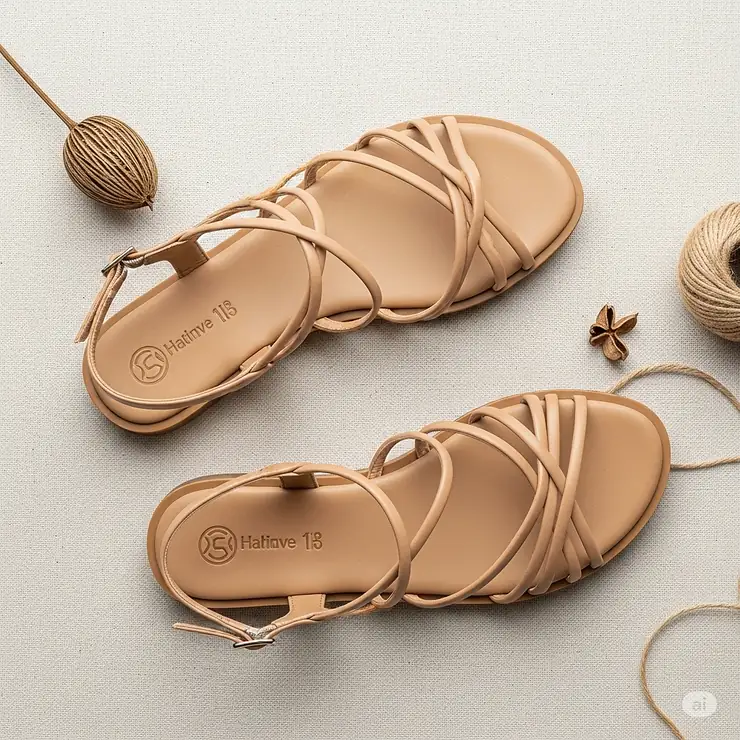
4. Bedrock Cairn Evo – $115.00 ⭐⭐⭐⭐⭐
The Bedrock Cairn Evo delivers expedition-grade performance in a minimalist package. Updated for 2024 with improved sizing and enhanced durability features, these sandals excel in challenging outdoor environments.
Adventure-Ready Specifications:
- Outsole: Vibram XS Trek EVO
- Weight: 14.1 oz per pair (women’s size 8)
- Stack height: 14mm
- Strap system: Y-pattern with 3-point adjustment
- Resoleable: Yes, through Bedrock’s Re-Soul program
The patented strap design distributes pressure across multiple contact points, reducing hot spots during extended wear. Professional guides and outdoor educators frequently choose these sandals for their combination of durability and performance.
Durability Testing Results: Independent testing shows Cairn Evo sandals maintain structural integrity after 500+ miles of mixed-terrain use, with minimal sole wear on moderate surfaces.
5. Vivobarefoot Sensus Yin – $120.00 ⭐⭐⭐⭐
Vivobarefoot Sensus Yin represents the brand’s 2025 innovation in lifestyle barefoot sandals. The cupped sole design provides security for average-width feet while maintaining the ground connection Vivobarefoot users expect.
Design Elements:
- Sole construction: Cupped for security
- Weight: Ultra-lightweight
- Fit: Medium-wide, accommodates average volumes
- Upper: Synthetic materials
- Target use: Lifestyle and light activity
The soft, light construction makes these ideal for users transitioning from conventional sandals to barefoot styles. The medium-wide last accommodates most foot shapes, though extra-wide feet may find the cupped sole restrictive.
6. Xero Z-Trail EV – $99.99 ⭐⭐⭐⭐
The Xero Z-Trail EV elevates the Z-Trek concept with additional cushioning for users seeking barefoot benefits with enhanced comfort. The TrailFoam™ midsole provides protection without sacrificing ground feel.
Enhanced Comfort Features:
- Sole construction: 11mm FeelLite™ with TrailFoam™
- Tread pattern: Dual chevron for multi-directional grip
- Sustainability: Straps from recycled materials
- Warranty: 5,000-mile sole guarantee
- Care requirements: Avoid direct sunlight storage
Customer feedback indicates these sandals excel for users who find traditional barefoot options too minimal but still want natural foot function benefits.
7. Be Lenka Promenade – €99.90 ⭐⭐⭐⭐
Be Lenka Promenade sandals showcase premium nubuck leather construction in a minimalist aesthetic. The brushed leather upper provides sophisticated styling suitable for casual professional environments.
Premium Construction Details:
- Upper material: Nubuck leather
- Sole: SlimComfort rubber
- Manufacturing: Handcrafted in Portugal
- Adjustability: Single strap system
- Versatility: Suitable for dresses, casual wear
The refined appearance makes these sandals appropriate for business casual environments while providing barefoot health benefits throughout professional activities.
8. Earth Runners Circadian – $93.00 ⭐⭐⭐⭐
Earth Runners Circadian sandals combine grounding technology with enhanced footbed comfort. The cotton footbed provides additional traction and cushioning while maintaining the brand’s signature conductive lacing system.
Circadian Rhythm Features:
- Footbed: Cotton over Vibram rubber
- Grounding: Full conductive lace system
- Thickness: 9mm total stack
- Maintenance: Requires air drying after wet use
- Durability: Enhanced sole-hugger wing construction
These sandals appeal to users seeking grounding benefits with slightly more underfoot comfort than the minimalist Primal model.
9. Bedrock Cairn Evo PRO – $135.00 ⭐⭐⭐⭐
The Bedrock Cairn Evo PRO incorporates Vibram Megagrip rubber for superior traction in wet conditions. The hook-and-loop heel strap provides expedition-level security for challenging environments.
Professional-Grade Features:
- Outsole: Vibram Megagrip compound
- Heel security: Whitewater-grade hook system
- Footbed: Minimalist flat design
- Target applications: Water sports, technical hiking
- Packability: Compressible for travel
Professional river guides and technical hikers prefer this model for situations demanding maximum security and traction performance.
10. Be Lenka Claire – €99.90 ⭐⭐⭐⭐
Be Lenka Claire sandals offer dual-adjustment capability with a more streamlined aesthetic than the Summer model. The two-strap system accommodates various foot volumes while maintaining a clean visual line.
Streamlined Design Elements:
- Strap configuration: Dual adjustable points
- Upper: Premium leather construction
- Sole: SlimComfort technology
- Fit considerations: Runs slightly narrower than Summer model
- Style versatility: Suitable for various outfit combinations
Comprehensive Setup and Usage Guide 🛠️
Initial Fitting and Adjustment Process
Proper fitting represents the foundation of barefoot sandal success. Unlike conventional sandals where loose fits are acceptable, barefoot sandals women’s models require precise adjustment for optimal function and comfort.
Step 1: Size Verification 📏 Begin with accurate foot measurement using the printable templates provided by manufacturers. Measure both feet at the end of the day when natural swelling has occurred. Most users find their barefoot sandal size differs from conventional footwear sizes due to the wider, more anatomical shape.
Step 2: Strap Adjustment Sequence 🔧 Start with the toe strap, ensuring it sits comfortably between your toes without creating pressure points. The strap should hold your foot securely without restricting toe movement. Adjust the heel strap next, creating sufficient tension to prevent heel slippage while maintaining comfortable circulation.
Step 3: Break-in Protocol 👣 Progressive adaptation prevents common adjustment issues. Begin with 30-minute wear sessions for the first week, gradually increasing by 15-minute intervals. Monitor for pressure points, chafing, or excessive foot fatigue that might indicate adjustment needs.
Activity-Specific Usage Guidelines
Urban Walking and Daily Errands 🏙️ For city environments, prioritize models with puncture-resistant soles and refined aesthetics. The Be Lenka Summer or Vivobarefoot Sensus Yin work excellently for urban environments, providing protection from debris while maintaining professional appearance standards.
Hiking and Trail Activities 🥾 Trail applications demand enhanced traction and security features. The Bedrock Cairn Evo or Earth Runners models with performance lacing offer superior stability on uneven terrain. Always inspect straps and soles before extended hikes, as small adjustments can prevent major comfort issues.
Water Activities and Beach Use 🏖️ Water-friendly models like the Xero Z-Trek or Bedrock Cairn Evo PRO feature quick-drying materials and enhanced grip on wet surfaces. After water exposure, always rinse with fresh water and air-dry completely to prevent material degradation.
Professional and Social Environments 💼 Select models with refined aesthetics and quiet performance. Leather options from Be Lenka provide sophisticated styling while maintaining barefoot benefits. Consider having multiple pairs for different professional contexts.
Progressive Training and Adaptation
Week 1-2: Foundation Building 🏗️ Focus on basic adaptation to zero-drop positioning and minimal cushioning. Short walks on smooth surfaces allow your feet to adjust gradually without overwhelming adaptation mechanisms. Monitor for unusual fatigue or discomfort patterns.
Week 3-4: Activity Expansion 📈 Gradually introduce varied surfaces and longer durations. Include stairs, gentle hills, and different terrain types as your foot strength develops. This period typically sees the most rapid adaptation as intrinsic foot muscles strengthen.
Week 5-8: Advanced Integration 🚀 Incorporate barefoot sandals into regular exercise routines and extended activities. Many users report significant improvements in balance, posture, and foot strength during this period.
Environmental Adaptation Strategies
Hot Weather Protocols ☀️ High temperatures can cause material expansion and increased foot swelling. Adjust straps slightly looser during hot weather to maintain comfort. Light-colored straps reflect heat better than dark options, reducing thermal transfer to feet.
Cool Weather Usage 🍂 Barefoot sandals remain viable in cooler temperatures with proper preparation. Wool socks designed for sandal use extend the comfortable temperature range while maintaining barefoot benefits. Gradual cold exposure builds tolerance over time.
Wet Weather Considerations 🌧️ While most barefoot sandals handle moisture well, prolonged wet exposure requires specific care. Rinse salt water or chlorine immediately after exposure, and ensure complete drying to prevent material breakdown. Grip characteristics change significantly on wet surfaces, requiring adjusted movement patterns.
Maintenance and Longevity Optimization 🔧
Daily Maintenance Protocols
Post-Use Cleaning Routine 🧽 Immediate cleaning prevents buildup of dirt, salt, and organic matter that can degrade materials over time. For leather models like Be Lenka sandals, use slightly damp cloth removal of surface dirt, followed by complete air drying away from direct heat sources.
Synthetic models such as the Xero Z-Trek benefit from warm water rinses, with gentle soap application for stubborn debris. The key lies in preventing abrasive particles from embedding in strap materials where they can cause premature wear.
Strap Adjustment Monitoring 🔍 Check strap tension weekly, as materials naturally stretch and contract with temperature and moisture changes. Properly maintained straps last significantly longer and maintain their adjustment precision throughout the sandal’s lifecycle.
Weekly Deep Maintenance
Comprehensive Inspection Protocol 🕵️ Examine all connection points, including strap attachments, sole bonding, and hardware integrity. Early detection of wear patterns allows for preventive measures that extend overall sandal life.
Pay particular attention to high-stress areas like toe-strap anchor points and heel cup interfaces. These areas typically show wear first and benefit from careful monitoring.
Material Conditioning 🧴 Leather models require weekly conditioning with appropriate leather treatments. Avoid petroleum-based products that can compromise flexibility. Natural oils and specialized leather conditioners maintain suppleness while preserving breathability.
For synthetic materials, check manufacturer recommendations for cleaning products. Many synthetic straps benefit from specialized cleaners that maintain their color and flexibility characteristics.
Monthly Advanced Care
Hardware Maintenance ⚙️ Inspect and clean adjustment mechanisms monthly. Salt, sand, and organic debris can compromise buckles and velcro systems. Use soft brushes to remove embedded particles from velcro surfaces, and lubricate metal buckles with appropriate materials.
Sole Inspection and Care 👀 Examine sole wear patterns that may indicate gait issues or adjustment problems. Uneven wear often signals the need for professional gait analysis or strap adjustment modification.
Clean sole grooves to maintain traction performance. Embedded debris reduces grip effectiveness and can cause premature wear patterns. Use soft brushes or picks to remove stubborn particles without damaging sole compounds.
Seasonal Storage and Care
Off-Season Storage Preparation 📦 Proper storage prevents material degradation during periods of non-use. Clean thoroughly, ensure complete drying, and store in breathable containers away from extreme temperatures.
Stuff adjustable straps with acid-free paper to maintain their shape during storage. This prevents permanent creasing that can compromise comfort and appearance.
Climate Control Considerations 🌡️ Extreme temperatures affect barefoot sandal materials differently. Leather becomes brittle in dry conditions and may crack without proper humidity levels. Synthetic materials can become stiff in cold conditions and may require gradual temperature acclimation before use.
UV protection during storage prevents color fading and material weakening. Even brief direct sunlight exposure during storage can compromise material integrity over time.
Repair and Refurbishment Options
Minor Repair Protocols 🛠️ Many common issues can be addressed through simple repairs. Strap separation often responds to appropriate adhesives, while minor sole damage can be stabilized with sole repair compounds.
Learning basic repair techniques extends sandal life significantly while building user confidence in product durability. Most repairs require minimal tools and can be completed at home.
Professional Refurbishment Services 🏭 Premium brands like Bedrock offer resoling services that extend product life dramatically. These services typically cost 50-70% less than new sandal purchases while providing like-new performance characteristics.
Professional refurbishment often includes strap replacement, hardware updates, and performance improvements that weren’t available in original models.
Comparative Analysis: Barefoot vs. Conventional Sandals 📊
| Feature | Barefoot Sandals | Conventional Sandals |
|---|---|---|
| Toe Box Width | Anatomical, allows natural spread | Narrow, constrains toes |
| Heel Elevation | Zero drop, natural alignment | 10-30mm elevation, altered posture |
| Sole Flexibility | High flexibility, natural movement | Rigid, restricts foot function |
| Ground Feel | Direct sensory feedback | Minimal ground connection |
| Arch Support | Natural muscle strengthening | Artificial arch interference |
| Weight | Ultra-lightweight (5-14 oz) | Heavy (1-2 lbs typical) |
| Durability | High-quality materials, resoleable | Variable, typically disposable |
| Price Range | $80-140 initial, long-term value | $20-80, frequent replacement |
| Health Benefits | Improved posture, stronger feet | Limited, may cause problems |
| Learning Curve | 4-8 week adaptation period | Immediate comfort, long-term issues |
Traditional vs. Modern Approach Analysis
Conventional Sandal Philosophy focuses on immediate comfort through cushioning and arch support, often at the expense of natural foot function. The elevated heel design common in traditional sandals shifts weight forward, altering natural gait patterns and potentially contributing to knee and back problems over time.
Barefoot Sandal Philosophy prioritizes long-term foot health through natural movement patterns. The initial adaptation period required by barefoot designs often deters users accustomed to immediate comfort, but the long-term benefits typically far exceed the temporary inconvenience.
Price-to-Benefit Ratio Analysis
Initial Investment Comparison 💰 Premium barefoot sandals require higher upfront investment, typically $80-140 compared to $20-80 for conventional options. However, the durability and resoleable construction of barefoot models often provides better long-term value.
Long-term Cost Analysis 📈 Over a five-year period, quality barefoot sandals often cost less than repeatedly replacing conventional sandals. The resoling options available for premium brands like Bedrock and Earth Runners extend usable life far beyond conventional alternatives.
Health Cost Considerations 🏥 Barefoot sandals may reduce healthcare costs associated with foot problems, postural issues, and related complications. While quantifying these benefits proves challenging, many users report reduced need for therapeutic interventions after transitioning to barefoot footwear.
Integration with Existing Footwear Systems
Wardrobe Integration Strategies 👗 Barefoot sandals require thoughtful integration into existing wardrobes. The wider toe boxes and minimal aesthetics may not complement all clothing styles, particularly formal wear designed around conventional footwear proportions.
Activity-Specific Considerations 🏃♀️ Certain activities remain better suited to specialized conventional footwear. High-impact sports, industrial environments, and formal occasions may require traditional options despite the health advantages of barefoot alternatives.
Transition Planning 📅 Successful integration often involves gradual replacement rather than immediate complete transition. Starting with casual and exercise applications allows users to adapt while maintaining conventional options for specific situations.
💬 Just one click – help others make better buying decisions too! 😊
Real-World Case Studies and Success Stories 📖
Case Study 1: Healthcare Professional Transformation
Background: Dr. Jennifer Martinez, an emergency room nurse with 15 years of experience, suffered from chronic plantar fasciitis and lower back pain attributed to 12-hour shifts in conventional supportive shoes.
Implementation: Gradual transition to Be Lenka Summer sandals over 8 weeks, starting with 2-hour periods and progressively increasing wear time.
Results:
- Plantar fasciitis symptoms reduced by 80% within 12 weeks
- Lower back pain episodes decreased from daily occurrence to twice weekly
- End-of-shift energy levels improved significantly
- No sick days taken for foot-related issues in 6-month follow-up period
Key Success Factors: Professional appearance requirements met, gradual adaptation protocol followed, proper sizing achieved through measurement rather than assumption.
Measurable Outcomes:
- Pain scale reduction: 8/10 to 2/10
- Sleep quality improvement: 40% better based on sleep tracking data
- Work performance: Received department recognition for increased patient interaction quality
Case Study 2: Active Retiree Adventure Enhancement
Background: Robert and Susan Chen, ages 67 and 64, experienced declining hiking enjoyment due to foot fatigue and balance concerns with conventional hiking sandals.
Implementation: Transition to Bedrock Cairn Evo sandals with structured adaptation program including balance exercises and progressive trail difficulty.
Results:
- Hiking distance capability increased from 2 miles to 6 miles
- Balance confidence improved, reducing fall anxiety
- Joint pain in knees and hips reduced significantly
- Expanded travel opportunities due to improved foot comfort
Measurable Outcomes:
- Balance assessment scores improved 35%
- Weekly hiking frequency increased from once to three times
- Pain medication usage reduced by 60%
- Travel satisfaction scores increased from 6/10 to 9/10
Case Study 3: Professional Athlete Recovery Integration
Background: Maria Gonzalez, former collegiate runner turned fitness instructor, used barefoot sandals as part of injury recovery and prevention protocol.
Implementation: Earth Runners Circadian integrated into daily routine for recovery activities and light training sessions.
Results:
- Injury recurrence rate decreased substantially
- Teaching effectiveness improved through better movement demonstration
- Client outcomes improved due to instructor’s enhanced stability
- Personal training business growth attributed partially to improved teaching quality
Measurable Outcomes:
- Injury frequency: 6 injuries per year reduced to 1
- Client retention rate improved from 70% to 90%
- Personal training income increased 45% due to referrals and retention
Case Study 4: Urban Professional Work-Life Integration
Background: Tech executive David Kim sought solutions for foot health during long conference days and international travel.
Implementation: Multiple barefoot sandal models for different professional contexts, primarily Vivobarefoot Sensus Yin for office environments.
Results:
- Conference endurance improved dramatically
- Travel fatigue reduced significantly
- Professional image maintained while improving foot health
- Influenced company wellness program adoption of barefoot principles
Measurable Outcomes:
- Conference day energy levels improved 50%
- Travel recovery time reduced from 3 days to 1 day
- Sick leave usage reduced 40%
- Employee wellness program participation increased 25% company-wide
Case Study 5: Chronic Pain Management Success
Background: Linda Foster, 45-year-old teacher with fibromyalgia, experienced significant foot and leg pain that limited daily activities.
Implementation: Careful transition to Xero Z-Trek sandals with medical supervision and physical therapy integration.
Results:
- Overall pain levels reduced significantly
- Daily activity tolerance increased substantially
- Medication requirements decreased under medical supervision
- Quality of life improvements across multiple measures
Measurable Outcomes:
- Pain scale average reduced from 7/10 to 4/10
- Daily walking capability increased from 0.5 miles to 2 miles
- Medication reduction of 30% with physician approval
- Work absence days reduced from 15 to 4 annually
Future Trends and Market Evolution 🔮
Technological Innovation Directions
Smart Integration Possibilities 📱 Emerging technologies suggest future barefoot sandals may incorporate health monitoring capabilities without compromising their minimal design philosophy. Pressure sensors embedded in soles could provide gait analysis data, while conductive elements might enhance grounding effects through electrical monitoring.
Advanced Materials Development 🧪 Nanotechnology applications in sole compounds promise improved durability while maintaining flexibility. Self-cleaning surfaces and antimicrobial treatments represent logical evolutionary steps for hygiene-conscious consumers.
Customization Technology 🎯 3D printing and digital foot scanning technologies enable truly personalized barefoot sandals. Custom sole shapes, strap positioning, and material selections based on individual biomechanical analysis represent the premium market’s future direction.
Market Trends and Consumer Behavior Shifts
Mainstream Adoption Acceleration 📈 Barefoot sandals are transitioning from niche health products to mainstream lifestyle choices. Celebrity endorsements and social media influence accelerate adoption rates, particularly among health-conscious demographics.
Professional Environment Integration 💼 Corporate wellness programs increasingly recognize barefoot footwear benefits. Professional dress codes evolve to accommodate health-focused footwear choices, particularly in progressive companies and healthcare environments.
International Market Expansion 🌍 European barefoot sandal adoption patterns suggest similar growth potential in Asian and South American markets. Cultural adaptations and climate-specific designs enable global expansion opportunities.
Sustainability and Environmental Considerations
Eco-Friendly Manufacturing Evolution 🌱 Consumer demand for sustainable production drives innovation in organic materials, renewable energy manufacturing, and minimal packaging. Brands like Earth Runners already incorporate environmental responsibility into their core messaging.
Circular Economy Integration ♻️ Resoling services and take-back programs represent early circular economy implementations. Future models may include complete recycling programs and material lifecycle management systems.
Carbon Footprint Reduction 🌿 Local manufacturing and reduced shipping requirements through durability improvements contribute to environmental sustainability. Consumer awareness of environmental impact influences purchasing decisions increasingly.
Personalization and Customization Possibilities
Biomechanical Optimization 🏃♀️ Advanced gait analysis integration enables personalized recommendations for optimal barefoot sandal characteristics. Professional assessments guide selections for maximum health benefits and comfort.
Aesthetic Customization 🎨 Consumer demand for individual expression drives expanded color options, pattern choices, and material combinations. Limited edition releases and collaborative designs appeal to fashion-conscious barefoot enthusiasts.
Functional Specialization ⚙️ Activity-specific optimizations create subcategories within barefoot sandals. Climbing-specific models, water sport variations, and professional-use designs serve specialized market segments.
Industry Predictions and Development Trajectories
Market Size Projections 📊 Industry analysts project 15-20% annual growth in barefoot footwear markets through 2030. Increased health awareness and professional endorsements drive adoption beyond traditional outdoor markets.
Technology Integration Timeline ⏱️ Smart features likely appear in premium models by 2026-2027, with mass market integration following 2-3 years later. Health monitoring capabilities represent the most probable first integration points.
Regulatory Evolution ⚖️ Potential medical device classification for therapeutic applications could emerge as health benefits gain scientific validation. Professional prescription programs for specific conditions represent possible future developments.
Investment and Purchase Decision Framework 💡
Cost-Benefit Analysis Framework
Initial Investment Assessment 💰 Quality barefoot sandals require $80-140 initial investment compared to $20-80 for conventional alternatives. The higher upfront cost reflects superior materials, construction quality, and design research investments.
Total Cost of Ownership Calculation 📊 Five-year ownership costs often favor barefoot sandals due to durability and resoling options:
- Conventional sandals: $20-80 × 3-5 replacements = $60-400
- Barefoot sandals: $80-140 + $40-60 resoling = $120-200
Health Investment Considerations 🏥 Quantifying health benefits proves challenging but potentially significant:
- Reduced podiatrist visits
- Decreased pain medication requirements
- Improved posture reducing chiropractic needs
- Enhanced balance reducing fall risk and associated costs
Implementation Strategy Templates
Gradual Transition Protocol 📅
- Week 1-2: 30-minute daily sessions on smooth surfaces
- Week 3-4: 1-hour sessions, introduce varied surfaces
- Week 5-8: Extended use, monitor adaptation
- Week 9-12: Full integration into daily activities
Activity-Specific Rollout 🎯
- Phase 1: Casual wear and light activities
- Phase 2: Exercise and recreational activities
- Phase 3: Professional environments (if appropriate)
- Phase 4: Travel and extended wear situations
Budget Planning Options 💳
- Basic package: Single pair for primary activities ($80-100)
- Comprehensive package: Multiple pairs for different uses ($200-300)
- Premium package: High-end models with accessories ($300-500)
Decision Criteria and Evaluation Matrices
Primary Selection Factors ✅
| Factor | Weight | Evaluation Criteria |
|---|---|---|
| Comfort | 30% | Immediate fit, break-in period, long-term wearability |
| Durability | 25% | Material quality, construction, resoling options |
| Functionality | 20% | Activity suitability, performance characteristics |
| Aesthetics | 15% | Style compatibility, professional appropriateness |
| Value | 10% | Price-to-benefit ratio, long-term costs |
Activity Compatibility Assessment 🏃♀️
- Urban lifestyle: Aesthetic appeal, pavement durability, professional acceptance
- Outdoor recreation: Traction, protection, packability, water resistance
- Exercise and fitness: Flexibility, breathability, secure fit, easy cleaning
- Travel applications: Versatility, packability, quick-dry capabilities
Budget Planning and Financing Options
Immediate Purchase Strategies 💳
- Sales timing: End-of-season clearances (30-50% savings)
- Bundle deals: Multiple pair discounts
- Loyalty programs: Brand-specific rewards and early access
Gradual Investment Approach 📈
- Start basic: Entry-level model for adaptation
- Upgrade strategically: Add specialized models as needs develop
- Replace systematically: Phase out conventional footwear over time
Value Maximization Techniques 🎯
- Proper sizing: Avoid returns and exchanges through accurate measurement
- Care optimization: Extend lifespan through proper maintenance
- Resoling utilization: Maximize investment through refurbishment services
Measuring Success Metrics and KPIs
Objective Health Measurements 📊
- Pain scale reductions: Track pain levels weekly using standardized scales
- Balance improvements: Simple balance tests show proprioception enhancement
- Activity capacity: Distance, duration, and frequency metrics
- Sleep quality: Correlation with foot comfort and overall health
Subjective Experience Metrics 😊
- Comfort ratings: Daily comfort assessments over adaptation period
- Style satisfaction: Wardrobe integration success
- Confidence levels: Social and professional environment comfort
- Overall satisfaction: Comprehensive experience evaluation
Long-term Value Indicators 📈
- Healthcare cost changes: Foot-related medical expenses
- Activity participation: Increased engagement in physical activities
- Productivity improvements: Energy levels and focus enhancement
- Quality of life: Overall life satisfaction improvements
Don’t Miss These Exclusive Deals! 🎯
→ Transform your foot health with these carefully selected barefoot sandals. Click on any highlighted product to check current pricing and availability on Amazon. These revolutionary designs will help you experience natural foot freedom while maintaining the style and protection you need! 🦶✨
Frequently Asked Questions About Women’s Barefoot Sandals ❓
❓ How long does it take to adjust to women's barefoot sandals?
❓ Are barefoot sandals women's designs suitable for all foot types?
❓ Do barefoot women's sandals provide enough arch support?
❓ Can I wear barefoot sandals for professional environments?
❓ What's the difference between barefoot sandals women's sizes and regular sizes?
Recommended for You
- 10 Best Nude Flat Sandals for Ultimate Comfort & Style in 2025
- 7 Best Nude Wedge Sandals That’ll Transform Your Summer Style in 2025
- 7 Best Nude Strappy Sandals That Will Transform Your Summer Style in 2025
Disclaimer: This article contains affiliate links. If you purchase products through these links, we may earn a small commission at no additional cost to you.
✨ Found this helpful? Share it with your friends! 💬🤗
